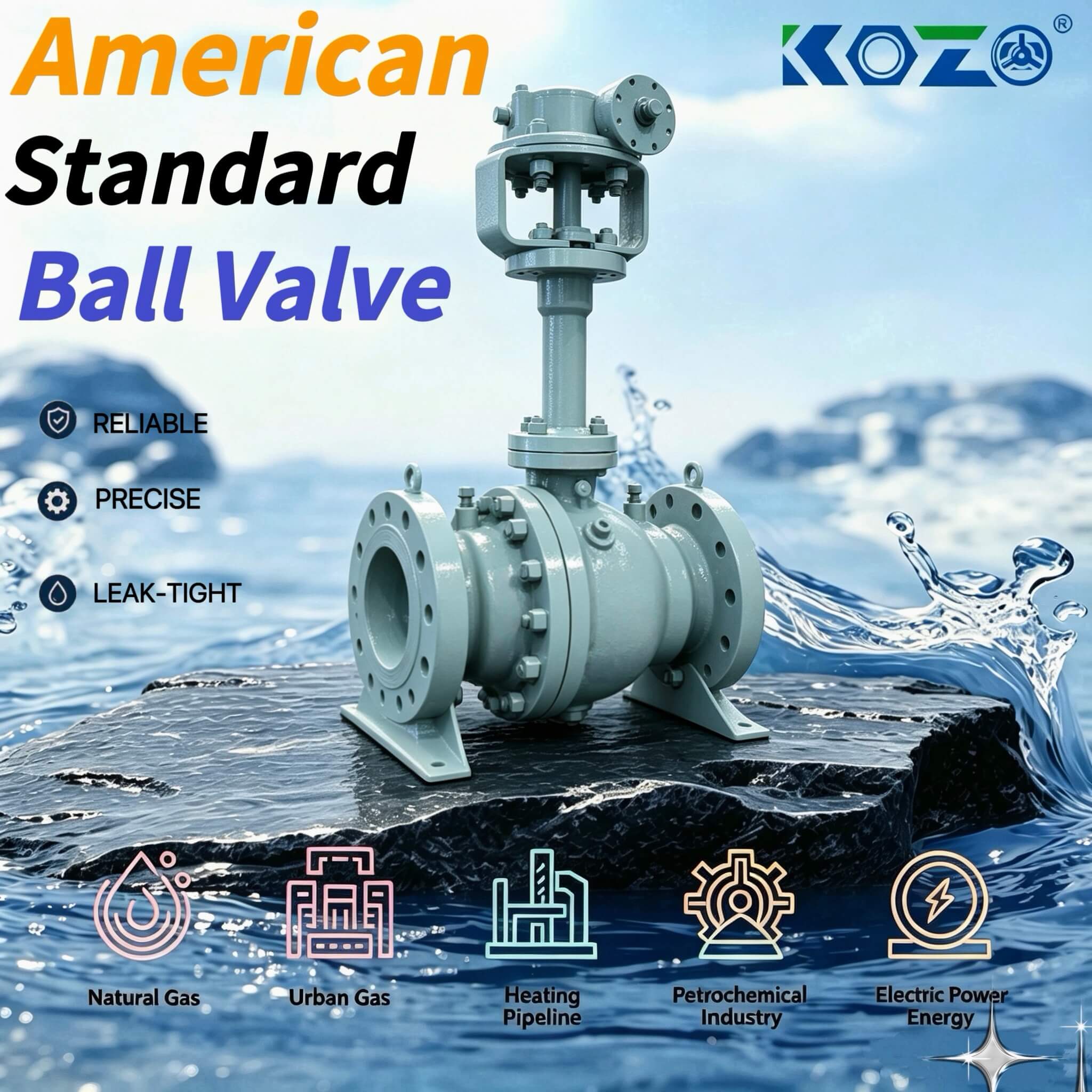
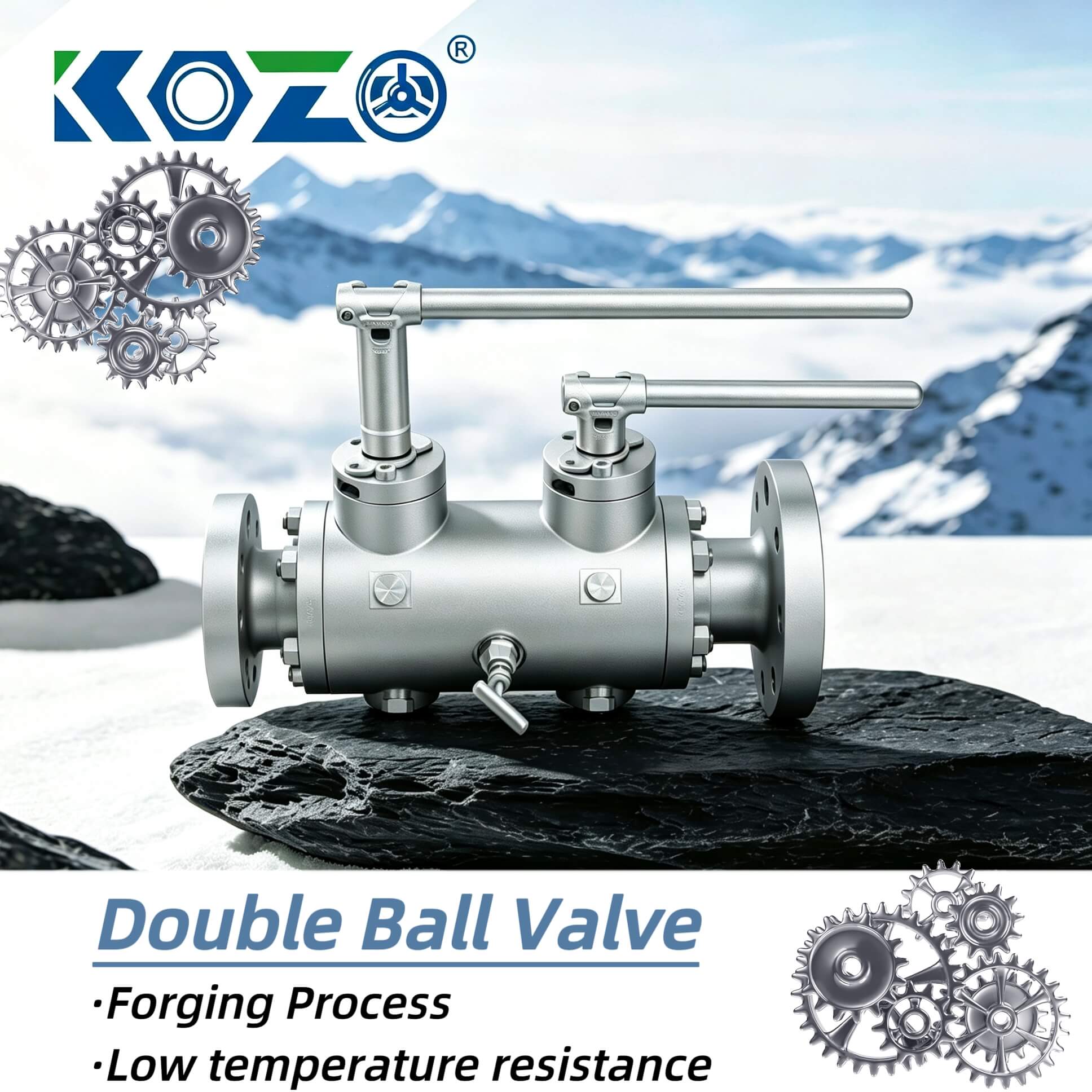
Low-temperature forged steel ball valve
Applicable Standards:
Ball Valve Design Standards: API 6D, BS 5351, ASME B16.34
Face-to-Face Dimensions: ASME B16.10, API 6D
Flange Standards: ASME B16.5 / ASME B16.47
Butt-Weld End Standards: ASME B16.25
Fire Safe Testing: API 607, API 6A
Inspection and Testing Standards: API 598, API 6D
Design Features:
Structure: 2-piece or 3-piece body design
High-integrity sealing structure with low operating torque
Double Block and Bleed (DBB) function
Cavity self-relief mechanism
Fire-safe design
Anti-blowout stem
Anti-static design
Locking device (for lever-operated valves)
ISO 5211 actuator mounting pad
Emergency sealant injection function
Application Fields:
Oil & Gas: Wellhead equipment, pipeline pigging stations, storage tank inlets/outlets, oil and natural gas transmission
Chemical Processing: Reactor isolation, toxic media transport, high-pressure process lines
Energy & Power: Power generation, boiler fuel shut-off, main steam line isolation
Special Applications: Subsea pipelines, LNG facilities, strategic reserve depots
Brand: KOZO
Valve Materials: Carbon steel, high-temperature Cr-Mo steel, stainless steel, duplex stainless steel, Monel, aluminum bronze, special alloy steels, etc.
Valve Type: KOZO Ball Valve
Valve Testing: 100% tested prior to delivery
Warranty: 18 months after shipment or 12 months after installation (whichever occurs first)
Valve Structure: Trunnion-mounted ball valve
Size Range: 1/2" to 48"
Pressure Class: ASME Class 150, 300, 600, 900, 1500, 2500
Lead Time: 15 – 30 days
Samples: Samples available upon request from KOZO Valves
Valve Color: Customized according to customer requirements
Packaging: Plywood crates
Minimum Order Quantity (MOQ): 1 set
Country of Origin: Zhejiang, China (Mainland)
Shipping Port: Shanghai or Ningbo
Payment Terms: L/C, D/P, T/T, Western Union
Low-temperature forged steel ball valve - specially designed for extremely cold working conditions
The low-temperature forged steel ball valve adopts forged valve bodies (materials: LF2, LF3, F304L, F316L, etc.) and undergoes deep cryogenic treatment to ensure sufficient ductility and fracture
resistance in an environment ranging from -46℃ to -196℃.
Core features
1. Low-temperature resistant materials: The valve body, valve cover and ball are all made of low-temperature forged steel
2. Anti-leakage valve stem seal: Add a high drip plate + low escape packing to prevent condensate water from corroding the packing and freezing to prevent it from getting stuck
3. Special valve seats for low temperatures: PCTFE, PTFE or carbon-filled PTFE, which can still be stably closed under low pressure
4. Anti-static structure: A conductive spring is set between the ball and the valve stem to prevent static electricity accumulation
5. Safety pressure relief design: The valve cavity automatically relieves pressure to prevent overpressure caused by the vaporization of low-temperature media
Applicable standards: API 6D, BS 6364, ISO 28921, SHELL MESC, etc
Typical applications: LNG receiving terminals, liquid oxygen/liquid nitrogen storage and transportation, air separation units, cryogenic ethylene pipelines, liquefied natural gas (LNG) Marine systems.
Low-temperature forged steel ball valve - specially designed for extremely cold working conditions
The low-temperature forged steel ball valve adopts forged valve bodies (materials: LF2, LF3, F304L, F316L, etc.) and undergoes deep cryogenic treatment to ensure sufficientductility and fracture resistance in an environment ranging from -46℃ to -196℃.
Core features
1. Low-temperature resistant materials: The valve body, valve cover and ball are all made of low-temperature forged steel
2. Anti-leakage valve stem seal: Add a high drip plate + low escape packing to prevent condensate water from corroding the packing and freezing to prevent it from getting stuck
3. Special valve seats for low temperatures: PCTFE, PTFE or carbon-filled PTFE, which can still be stably closed under low pressure
4. Anti-static structure: A conductive spring is set between the ball and the valve stem to prevent static electricity accumulation
5. Safety pressure relief design: The valve cavity automatically relieves pressure to prevent overpressure caused by the vaporization of low-temperature media
Applicable standards: API 6D, BS 6364, ISO 28921, SHELL MESC, etc
Typical applications: LNG receiving terminals, liquid oxygen/liquid nitrogen storage and transportation, air separation units, cryogenic ethylene pipelines, liquefied natural gas (LNG) Marine systems.